Why This Roofing System Needs Less Upkeep as It Ages
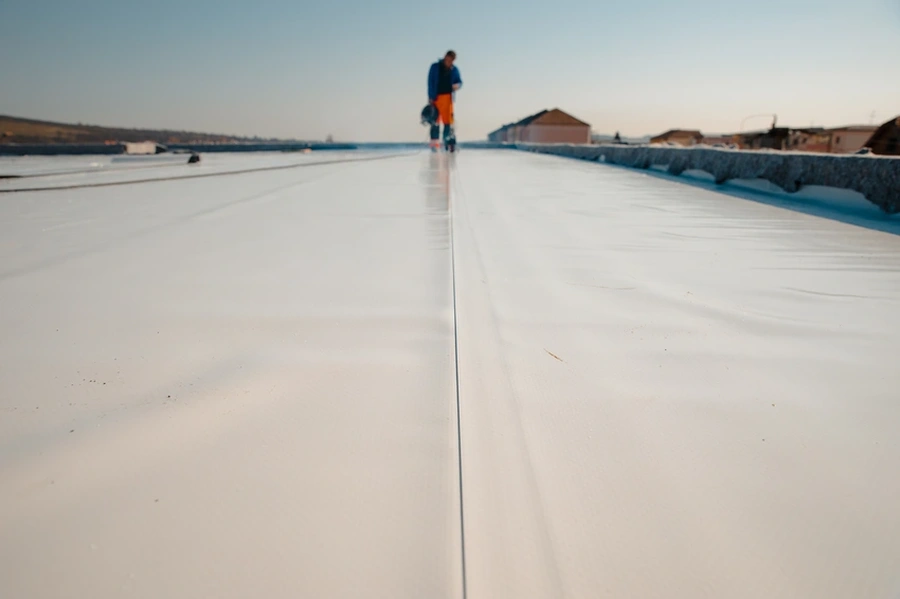
TPO roofing reduces maintenance requirements over time because it resists leaks, blocks UV damage, and handles temperature changes well. The material is strong, flexible, and built for flat or low-slope roofs. That means fewer cracks, fewer seam problems, and less surface damage as the years pass. For many property owners, this leads to fewer service calls and lower repair costs compared to older roofing materials.
Why Prevention Matters for Commercial Roofs
Flat and low-slope roofs take a beating. Heat, rain, wind, and debris all build up on the surface. If your roof cannot handle that stress, small issues grow fast. A weak membrane can split. Open seams can leak. Water can pool and soak into the structure below.
TPO roofing helps prevent these problems before they start. The single-ply membrane creates a continuous layer across the roof. Fewer layers mean fewer spots where water can get in. Over time, that simple design helps reduce ongoing roof maintenance needs.
Early Warning Signs to Watch For
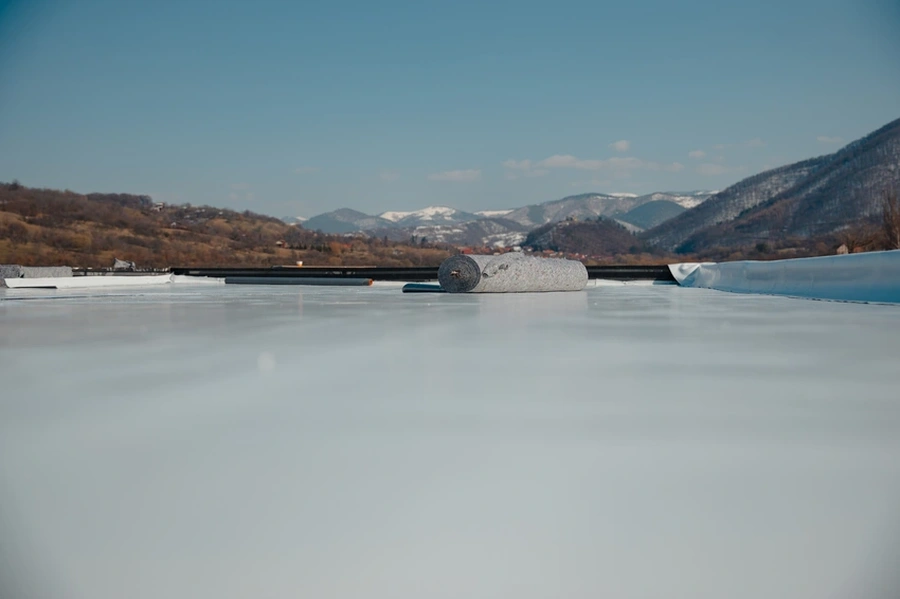
Even though TPO systems are low maintenance, you should still check your roof from time to time. Catching minor issues early keeps them small and affordable.
- Loose or lifting seams
- Punctures from sharp debris
- Ponding water that stays for days
- Flashing pulling away from edges or units
- Visible dirt buildup around drains
These issues are less common with TPO roofing, but they can still happen, especially after severe storms.
Seasonal or Routine Checklist
One reason TPO roofing lowers maintenance over time is that seasonal care is simple. You do not need heavy coatings or frequent patch jobs.
- Inspect the roof in spring and fall.
- Clear leaves and debris from drains.
- Check seams and flashing for gaps.
- Look for standing water after heavy rain.
- Schedule a professional inspection once a year.
This short list takes far less time than the upkeep required for many older built-up roofing systems. Because the membrane is heat-welded at the seams, it creates strong bonds that hold up well year after year.
Best Practices for Long-Term Results
If you want your TPO roofing system to last as long as possible, a few smart habits make a big difference.
- Limit foot traffic on the roof.
- Use walkway pads in service areas.
- Keep HVAC units properly maintained.
- Fix small punctures quickly.
TPO membranes are designed to reflect sunlight. This reduces heat buildup and slows material breakdown. Less heat stress means fewer cracks and splits. Over time, the roof simply holds its shape better.
Quality installation also plays a big role. A properly installed roofing system has tight seams, clean flashing details, and correct drainage slope. When done right, the roof needs far less attention in the future.
What Not to Do
Even low-maintenance roofs can develop problems if handled the wrong way.
- Do not ignore small tears.
- Do not pressure wash aggressively.
- Do not allow standing water for long periods.
- Do not let other contractors cut into the membrane without proper repairs.
TPO roofing is durable, but it is still a membrane system. Sharp tools, heavy equipment, or careless work from other trades can create punctures. Quick attention keeps repair needs small instead of turning them into major restoration projects.
When to Schedule Professional Help
While routine checks are simple, some jobs require trained technicians. Large seam separations, storm damage, or repeated ponding should always be inspected by a professional. Early repairs protect insulation and decking beneath the membrane.
If your roof is over 15 years old, an annual inspection becomes even more helpful. A roofing expert can spot age-related wear before it turns into leaks inside your building.
Talk With a Local Roofing Team
If your property in Romeoville, IL has a flat or low-slope roof, we can help you decide whether this system is the right long-term fit. At SG Roofing, we install and maintain TPO roofing systems for commercial buildings of all sizes. Call us at (815) 240-3334 to schedule an inspection and let us help you lower maintenance costs while extending the life of your roof.