What to Expect From This Roofing System in Heat, Cold, Rain, and Wind
TPO roofing performs very well in most weather conditions, especially on flat and low-slope buildings. It reflects heat in hot climates, handles heavy rain when installed correctly, and stays flexible in cold temperatures. Like any roofing material, it still needs proper installation and routine care. When done right, it can last many years under harsh sun, storms, and seasonal changes.
Performance in Hot and Sunny Weather
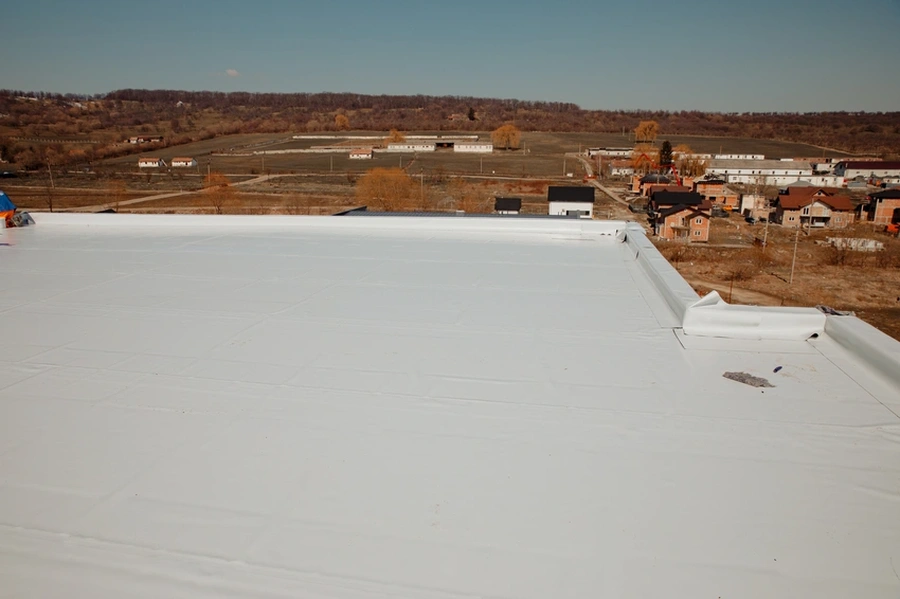
One of the biggest strengths of TPO roofing is how it handles heat. The white or light-colored surface reflects sunlight instead of absorbing it. This helps reduce roof surface temperatures on commercial roofs during summer.
In very hot areas, this can lower indoor cooling costs. The membrane resists UV rays and does not break down quickly from sun exposure. That makes it a solid choice for buildings in areas with long, hot summers.
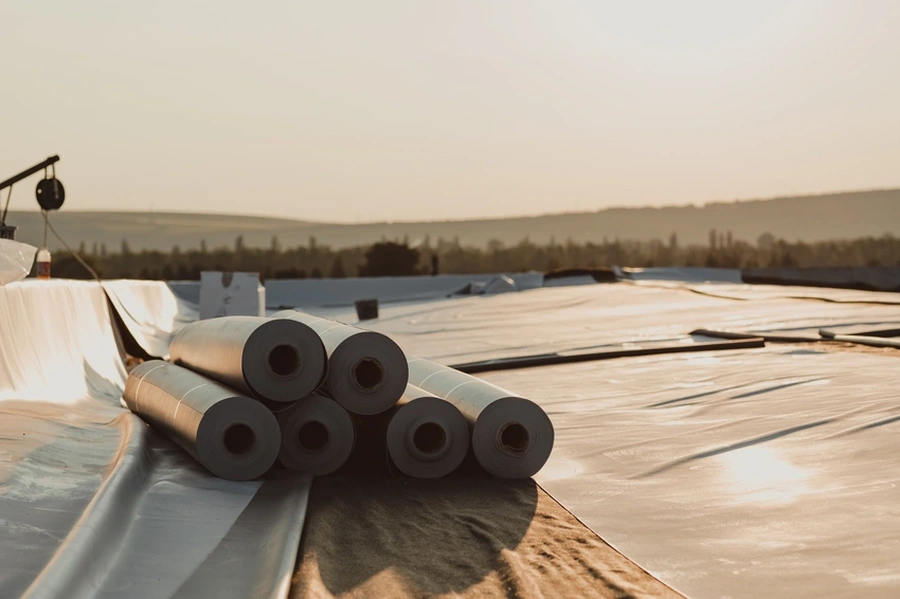
Still, extreme heat can cause expansion. A skilled installer will allow room for natural movement. Seams must be heat-welded correctly so they stay sealed year after year.
Performance in Heavy Rain and Standing Water
TPO roofing is designed for flat roofs, which often face pooling water. The material is water-resistant and seams are fused together using heat. When installed properly, the welded seams create a strong barrier against leaks.
In heavy rain, performance depends on:
- Proper roof slope for drainage
- Clean and clear drains
- Strong seam welding
- No punctures in the membrane
If water sits too long in one area, it can stress any roofing system. Routine inspections help catch low spots or clogged drains early.
Performance in Cold and Snowy Weather
TPO roofing stays flexible in cold weather. This is helpful in areas with freezing temperatures and snow. Some older roofing materials can become brittle and crack in winter. TPO membranes are made to resist that problem.
Snow load is more about roof structure than the surface material. Still, TPO handles freeze and thaw cycles well. The seams stay tight when installed in the right weather conditions.
Ice dams are rare on flat roofs, but drainage should still be checked before winter. Keeping gutters and internal drains clear helps prevent water backup.
Performance in High Winds and Storms
High wind can lift roofing materials if they are not secured correctly. TPO roofing systems can be mechanically attached, fully adhered, or ballasted. The method used affects how well the roof handles strong wind.
When fastened and welded the right way, TPO can handle severe storms. Many systems are rated for high wind uplift. Fastener spacing and edge detailing play a big role in storm performance.
After major wind or hail, the roof should be inspected. Even small punctures can lead to leaks over time.
Pros and Cons in Different Weather Conditions
Here is a simple breakdown of how TPO roofing compares across common weather types:
- Hot climates: Excellent heat reflection and UV resistance
- Heavy rain: Strong waterproof seams when installed properly
- Cold climates: Flexible and resistant to cracking
- Snow: Handles freeze-thaw cycles well
- High wind: Durable when securely fastened
On the downside, seam quality matters a lot. Poor installation can lead to early failure. Also, sharp debris can puncture the membrane if the roof is not maintained.
Mistakes People Make When Choosing for Weather Reasons
Some building owners assume all flat roofing materials perform the same. That is not true. Choosing based on price alone can lead to problems later.
Common mistakes include:
- Not checking wind ratings for the area
- Ignoring drainage design
- Skipping insulation that supports energy savings
- Hiring installers without TPO experience
TPO roofing works best when matched to the building’s needs and local climate. The structure, slope, and insulation all matter.
Final Decision Checklist
If you are thinking about installing TPO roofing, ask yourself:
- Does my area have extreme sun exposure?
- Do we get frequent heavy rain?
- Is wind uplift a concern?
- Is proper drainage already in place?
- Am I working with an experienced roofing contractor?
If most answers support its strengths, TPO may be a smart choice for your building.
Get Expert Help for Your Building
Weather in Romeoville, IL can change fast, and your roof needs to handle it all. At SG Roofing, we install and inspect TPO roofing systems built for local conditions. Our team will review your roof, explain your options clearly, and help you choose a system that fits your building and climate. Call us at (815) 240-3334 to schedule a consultation and protect your property with a roof built to last.